


The current conflict has put three of the most influential middle powers, India, Brazil and South Africa, in a seemingly dangerous diplomatic precipice. For these countries, their chief concern regarding the Western sanctions on Russia is not about their ideological affinity towards Russia, but about the protection of their strategic autonomy. They would rather be seen as the champions of a multipolar world order, and for some reason, never as the puppets of the West, even if they influence the other side as well.
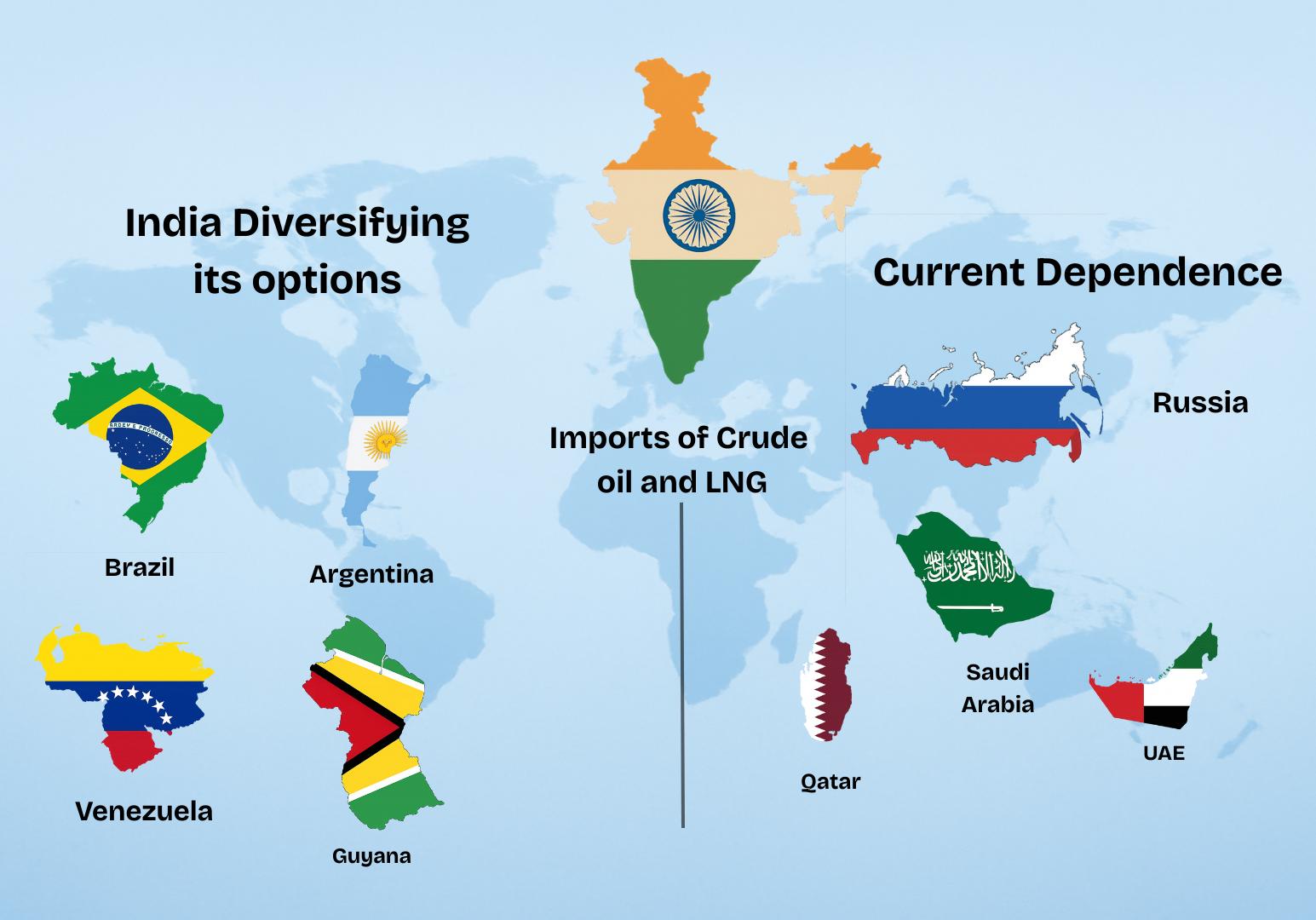
It is unlikely that Brazil or India would choose to paralyse their national economies for a Balkan feud. Economic and resource security form the bedrock of this pragmatic calculus. India, heavily reliant on external energy to fuel its rapid growth, significantly scaled up its imports of discounted Russian crude oil following Western restrictions, successfully insulating its domestic economy from severe inflation. Similarly, Brazil’s massive agricultural sector depends fundamentally on Russian fertilizer imports; cutting ties with Moscow would risk national food security and destabilise its global export market.
The same logic also informs diplomatic activity in international fora. South Africa and India have used abstention to spare Russia from total diplomatic isolation at the United Nations. Neither country can justify an indefinite break in diplomacy with Moscow if mediation by peer actors were to play a key role in resolving a protracted diplomatic crisis.
They have refrained from joining most of the UN resolutions that the West has passed to compel Russia to negotiate mediators into any conflict it may become involved in. This is rational for middle powers, as their approach to Moscow enables them to balance varied security and economic ties with the United States and Europe while maintaining diplomatic leverage with Russia, which may be worth more than the other international partners south of the equator.
Walking this slippery slope, however, is fraught with peril: it will require a stout defense against Western secondary sanctions. By using avenues such as BRICS to explore alternative, non-dollar trade mechanisms and national payment systems, these states may seek to avoid losing key Western financial and technological connections that have enabled their past growth and prosperity. In any case, India, Brazil, and South Africa are forward-facing testaments to the fact that the old model of global governance is out of date. Modern middle powers are not passive observers of great-power rivalry, but active participants and generators of interest-driven, transactional diplomacy.

Mukherjee Nagar, New Delhi, INDIA
+91- 8168583827 , 9810850652
globalDailyLog@gmail.com
At globaldailylog.com, Provide you all types of Information in English (or all Language By using Google text Translator), We Make Every Effort that we are Related to Computer Technology , politics , health , Corporate , Educations ,Business , Entertainment , lifestyle , foods and Travel . So If you are excited to learn something new then join our family and Increase your knowledge Power and become a big guide in yourself.So Make sure You Hit the Like Button , Share Button and Subscribe Button to Get My Latest Post. Thank you.
© GlobalDailylog. All Rights Reserved. Designed by Techknowtouchwood